
Satyendra Kumar Vanapalli: The Next Evolution of CRM: AI, Automation, and Smarter Enterprise Operations
As organizations increasingly rely on AI and automation, CRM platforms are becoming central to business strategy.
Press Release Disclaimer: This is a press release distributed through the XPR Media network. It has not been independently verified by our newsroom.
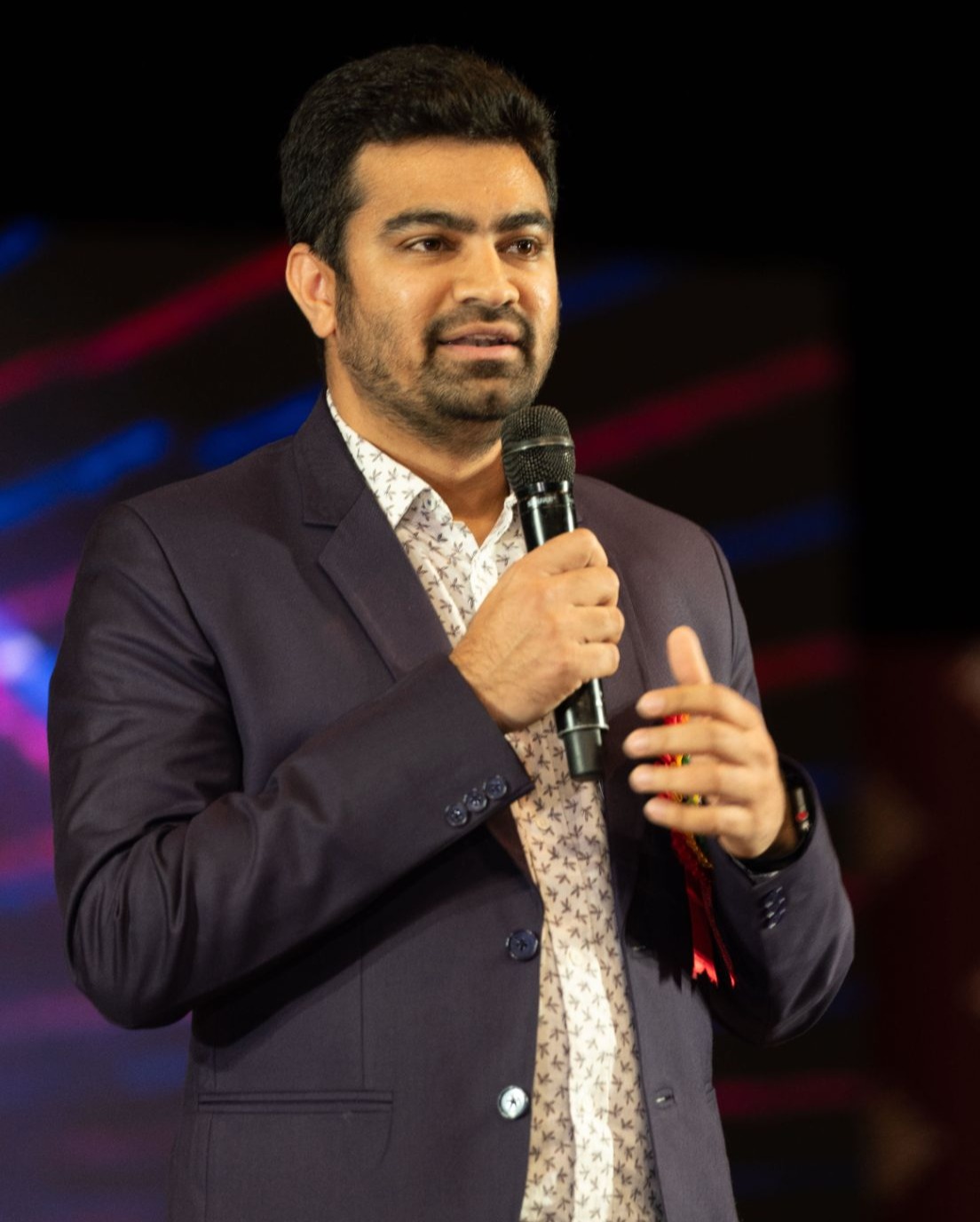

As organizations increasingly rely on AI and automation, CRM platforms are becoming central to business strategy. Satyendra Kumar Vanapalli, a CRM Product Owner and enterprise CRM strategist, has helped organizations transform CRM platforms from systems of record into decision-support ecosystems that connect data, processes, and people across the business.
His perspective is straightforward: the challenge facing modern organizations is no longer collecting information but converting rapidly growing volumes of customer and operational data into timely, actionable decisions.
DALLAS, TX / ACCESS Newswire / November 23, 2026 / Executive Summary
Customer Relationship Management (CRM) platforms have undergone a significant transformation over the past decade. Once viewed primarily as systems for managing customer records and sales activities, they are now evolving into integrated business ecosystems that combine operational data, artificial intelligence, automation, and analytics to support organization-wide decision-making.
Throughout his career, Vanapalli has helped organizations modernize CRM environments by aligning technology with business strategy. His work demonstrates that one of the greatest challenges facing organizations today is transforming expanding volumes of data into timely, reliable, and actionable intelligence.
As companies accelerate modernization initiatives, CRM is increasingly becoming an operational foundation connecting customers, employees, business processes, and AI-enabled insights.
The Evolution of CRM
For many years, CRM systems served primarily as repositories for customer information. Organizations relied on them to manage accounts, sales opportunities, support requests, and service histories, while strategic decisions were often made separately through reports, meetings, and manual analysis.
That model is becoming increasingly inadequate.
Modern organizations generate unprecedented volumes of customer, operational, and transactional information. The challenge is no longer data availability; it is analyzing that information quickly enough to influence business outcomes.
Organizations that continue using CRM solely as a record-keeping platform may face delayed decision-making, fragmented processes, and missed opportunities.
The next generation of CRM addresses these limitations by integrating artificial intelligence, workflow automation, predictive analytics, and real-time business intelligence directly into everyday operations.
Building CRM Around Business Processes
Vanapalli approaches CRM implementation from a business perspective rather than treating it solely as a technical exercise.
Beginning as a Business Analyst before moving into CRM administration, consulting, and product ownership gave him firsthand experience understanding organizational workflows before designing technology solutions.
Successful CRM transformation begins by asking practical questions:
- How does the organization actually operate?
- Where are operational bottlenecks?
- Which decisions require better visibility?
- Where can automation improve consistency without sacrificing governance?
Technology becomes valuable when it supports these business objectives.
A CRM platform configured without understanding underlying processes can simply become another database. When designed around business workflows, however, it can serve as a strategic decision-support platform that helps organizations respond more effectively to changing conditions.
Integrating Artificial Intelligence into CRM
Artificial intelligence is reshaping how organizations use CRM platforms.
Rather than relying exclusively on historical reports, modern systems increasingly analyze information continuously, identifying patterns, highlighting exceptions, predicting outcomes, and presenting recommendations within existing workflows.
One example from Vanapalli’s work involved contributing to the development of an AI-driven fraud detection capability for financial institution clients.
By combining CRM information with transactional data and AI-based analytical models, the capability helped reduce fraud-related losses by approximately 50 percent while improving detection accuracy.
The project demonstrated how CRM can extend beyond customer relationship management into areas such as operational intelligence, risk management, and regulatory compliance.
Technology Alone Does Not Deliver Transformation
Technology implementation represents only one component of successful business modernization.
Throughout multiple CRM initiatives, Vanapalli has paired technical implementation with structured user enablement programs, including instructor-led training, virtual learning sessions, implementation guides, e-learning materials, and operational documentation.
Long-term success depends on user confidence as much as technical capability.
Employees who understand business processes and trust CRM-generated insights can contribute to higher-quality data, stronger adoption, and more reliable analytics.
This creates a reinforcing cycle:
- Better training improves adoption.
- Better adoption produces cleaner data.
- Better data generates stronger insights.
- Better insights support better business decisions.
Addressing Organizational Challenges
Despite significant investment in CRM technology, organizations continue to encounter several recurring challenges:
- Large volumes of customer information remain underutilized.
- Reporting remains retrospective rather than predictive.
- Generic implementations fail to reflect actual business processes.
- Employees receive limited training after implementation.
- Business intelligence remains disconnected from operational workflows.
Addressing these limitations requires organizations to combine business process optimization, workflow automation, AI-enabled analytics, governance, and continuous user enablement within a unified CRM strategy.
Business Impact
Faster Decision-Making
Continuous analysis can help leadership teams identify opportunities and emerging risks earlier than traditional reporting cycles.
Operational Efficiency
Workflow automation can reduce repetitive manual activities through routing, approvals, and automated processes, allowing employees to concentrate on higher-value work.
Better Risk Management
Predictive analytics can improve organizational awareness by identifying operational anomalies, customer trends, and potential fraud before they develop into larger business problems.
Higher Workforce Productivity
Ongoing training and adoption initiatives can increase confidence in CRM platforms while supporting improved data quality and organizational effectiveness.
Looking Ahead
CRM platforms are entering a new phase of maturity.
Over the coming years, artificial intelligence is expected to become more deeply integrated into everyday business operations, enabling CRM systems to recommend actions, automate routine processes, and provide predictive insights while maintaining appropriate human oversight.
Organizations that invest in strong data governance, scalable platform architecture, workflow automation, and continuous workforce development will be better positioned to capitalize on these capabilities.
The future of CRM is not defined by software alone. It depends on an organization’s ability to combine people, processes, trusted data, and artificial intelligence into a unified decision-making environment.
Closing Perspective
The competitive advantage of tomorrow’s organizations will not necessarily depend on who collects the most data. It will depend on who can turn trusted information into meaningful action most effectively.
CRM is no longer simply a repository for customer information. It is increasingly becoming the platform where operational intelligence, business strategy, automation, and artificial intelligence converge to enable faster and more informed decision-making.
About Satyendra Kumar Vanapalli
Satyendra Kumar Vanapalli is a CRM Product Owner and enterprise CRM strategist with more than 15 years of experience designing, implementing, and modernizing CRM platforms across financial services, technology, retail, manufacturing, and other industries.
He specializes in CRM strategy, business process optimization, workflow automation, AI-enabled analytics, and product ownership. Throughout his career, he has led modernization initiatives, developed user adoption programs, and contributed to AI-driven fraud detection capabilities for financial institution clients.
Vanapalli holds master’s degrees in Information Assurance and International Business, along with a bachelor’s degree in Biotechnology. Based in the United States, his work focuses on modernizing CRM platforms to improve governance, operational performance, and data-driven decision-making.
Media Contact
Email: satyendravanapalli956@gmail.com
Country: United States
Website: www.linkedin.com/in/satyendra-vanapalli-5005b131
SOURCE: Satyendra Kumar Vanapalli
View the original press release on ACCESS Newswire
