Japan’s Rising Prices Put Pressure on Households as 95% of Consumers Feel Costs Increasing
Rising prices in Japan continue to impact people’s lives, with over 90% of respondents believing that prices are
Press Release Disclaimer: This is a press release distributed through the XPR Media network. It has not been independently verified by our newsroom.
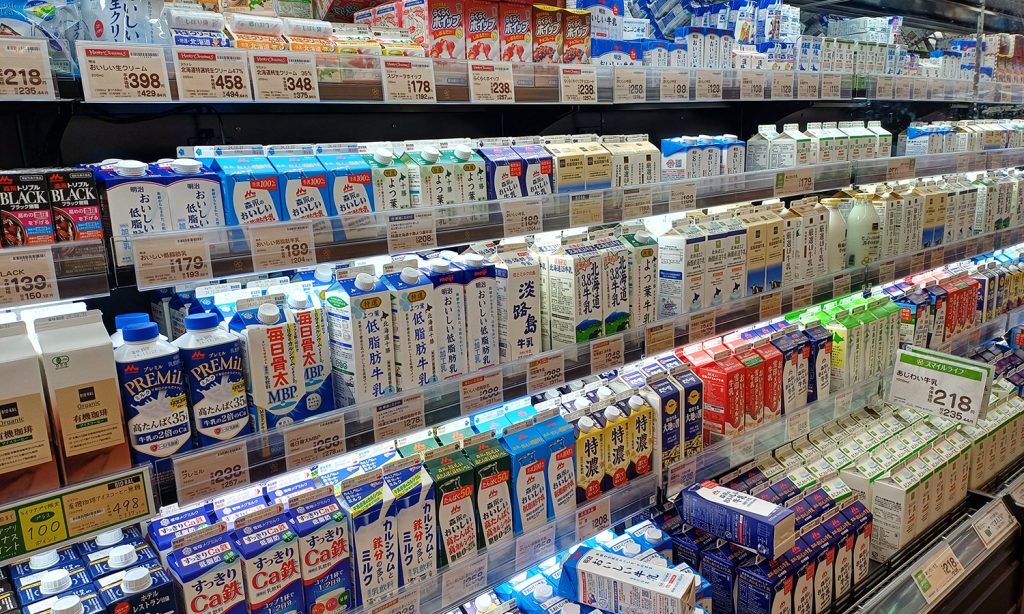

Rising prices in Japan continue to impact people’s lives, with over 90% of respondents believing that prices are currently higher than last year, and another 90% expecting them to continue rising a year from now.
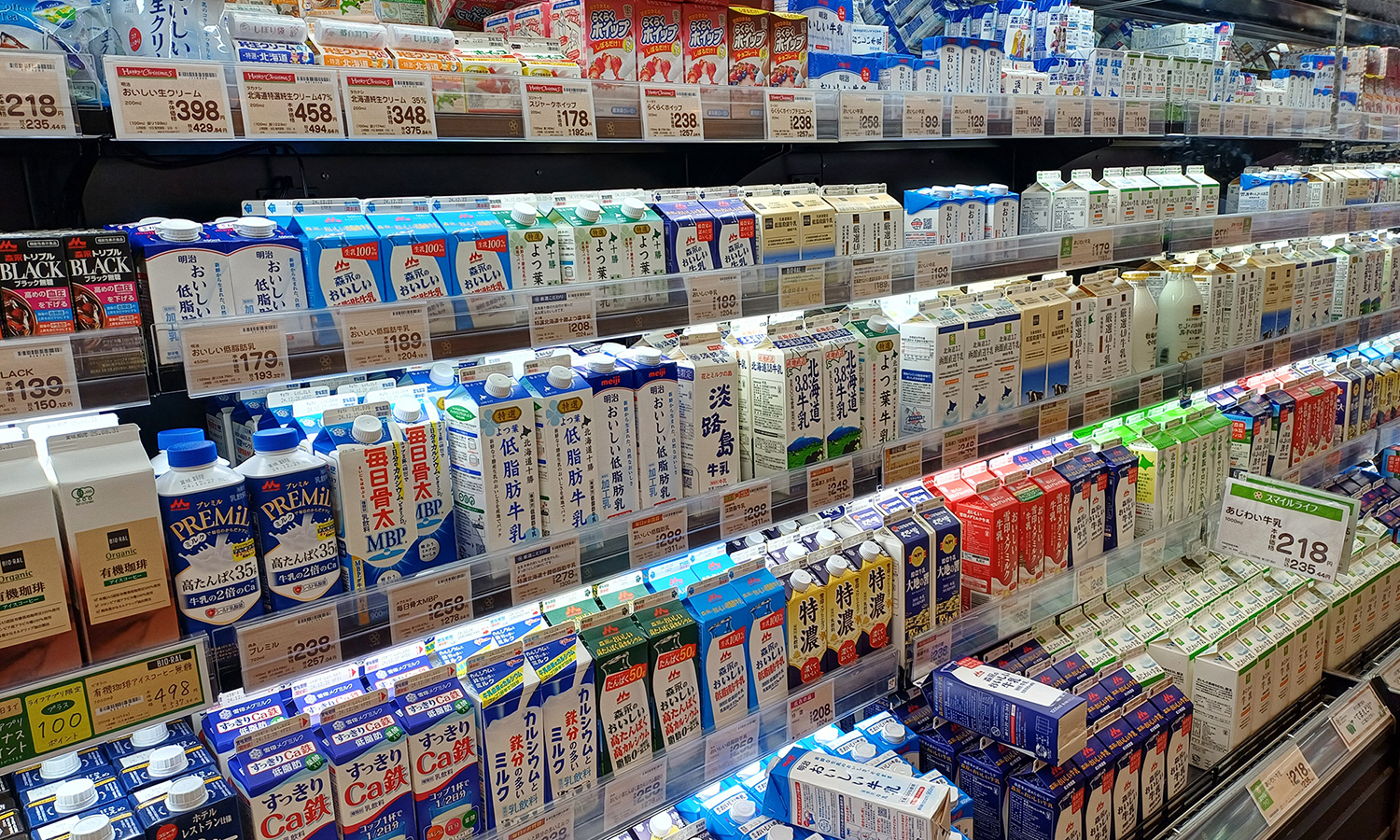
TOKYO, JAPAN (MERXWIRE) – Japan’s rising prices continue to put pressure on household budgets. According to the Bank of Japan’s June 2026 “Opinion Survey on the General Public’s Views and Behavior,” 95.3% of respondents said prices had increased compared with a year earlier, while respondents estimated that prices had risen by an average of 16.5%. Among those who felt prices had increased, 86.2% said the rise was “rather troublesome.”
The Bank of Japan conducted the survey from May 7 to June 9, 2026, targeting people aged 20 and over nationwide. Of 4,000 selected respondents, 2,031 provided valid responses, representing a valid response rate of 50.8%.
The survey found that 68.5% of respondents described prices as having risen “considerably,” while another 26.8% said they had risen “slightly,” bringing the combined share to 95.3%. When asked how much prices had changed over the past year, respondents estimated an average increase of 16.5%, with a median of 10.0%. The 16.5% figure reflects consumers’ perceptions of price increases and is not Japan’s official inflation rate.
Among respondents who perceived prices as having risen, 86.2% said the increase was “rather troublesome,” while only 2.8% considered it “rather favorable.” The findings highlight the extent to which higher prices have become a concern in everyday life.
A Tokyo office worker in her 30s said the biggest change she has noticed is the increase in everyday shopping expenses. “I did not used to pay much attention to prices when buying the same products, but now I compare prices every time I shop,” she said. She added that rising prices for both food and household necessities have increased family expenses, prompting her to prioritize discounted products and postpone some non-essential purchases.
A company employee in his 40s from Osaka said rising prices have also begun to affect his family’s spending plans. “We used to take the family out for meals or plan leisure activities on weekends. Now, we check our budget first before deciding whether to spend,” he said. Rather than completely cutting consumption, he believes consumers should focus on reasonably priced and durable products while reducing unnecessary purchases.
Japanese consumers also expect prices to continue rising. The survey found that 40.5% of respondents expect prices to rise “considerably” over the next year, while 49.9% expect them to rise “slightly,” bringing the combined figure to 90.4%.
Looking further ahead, many respondents also expect prices to rise over the next five years. Among those who anticipated higher prices, the most common reason was that prices have been rising recently, followed by the view that prices tend to increase over the medium to long term.
Kanto Smart Living Cooperative said the continued rise in prices is prompting consumers to shift from simply asking “What do I want to buy?” to considering “Is this purchase worth the cost?” The cooperative recommends that consumers look beyond sticker prices and consider factors such as product durability, lifespan, energy consumption and frequency of use.
The cooperative also recommends that households establish basic spending budgets and separate essential expenses, such as food, household necessities, utilities and transportation, from discretionary spending on leisure and travel. Consumers should also compare unit prices rather than simply looking at the total price on a package. In addition, long-term ownership costs should be considered, as a lower-priced product may not necessarily be the most economical choice if it is less durable or consumes more energy.
Overall, the Bank of Japan survey shows that rising prices have become a widespread concern among Japanese consumers. With 95.3% reporting higher prices than a year earlier, 86.2% describing the increase as troublesome and around 90% expecting prices to rise further over the next year, household spending decisions are likely to become increasingly focused on price, practicality and durability.
Media Contacts:
Kanto Smart Living Cooperative
PR Agency:
MERXWIRE INC.
Ada Huang
pr@merxwire.com
SOURCE: Kanto Smart Living Cooperative