How Water Leak Alarms Can Help Protect Your Home
X-SENSE explains how early leak detection can help homeowners respond to unwanted water before a small plumbing problem
Press Release Disclaimer: This is a press release distributed through the XPR Media network. It has not been independently verified by our newsroom.
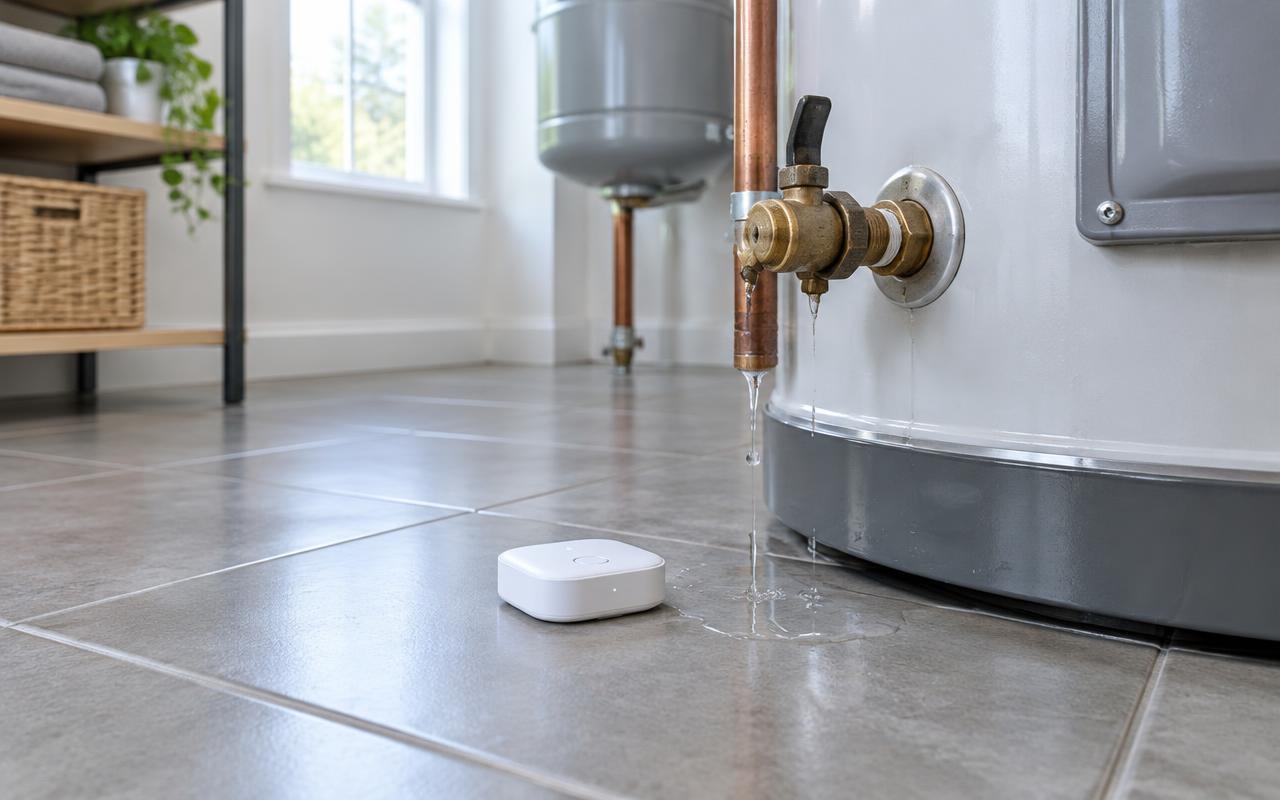

X-SENSE explains how early leak detection can help homeowners respond to unwanted water before a small plumbing problem develops into more extensive property damage.
A leaking pipe does not always announce itself with a flooded floor. In many homes, water problems begin quietly: a loose washing-machine connection, moisture beneath a sink, a slow drip near a water heater, or a small appliance leak that goes unnoticed for hours.
By the time water becomes visible in another room or through a ceiling, the original problem may already have affected flooring, cabinets, walls, or personal belongings.
Water leak alarms are designed to provide an earlier warning. Placed in areas where leaks are more likely to occur, these devices can detect the presence of water and alert occupants so they can investigate the problem sooner.
They cannot prevent a pipe from breaking or repair a faulty appliance, but they can reduce the amount of time a leak remains unnoticed.
Small Leaks Can Be Easy to Miss
Not every water problem starts dramatically.
A minor leak behind an appliance or underneath a cabinet may continue without attracting attention, particularly in parts of a home that are not checked every day. Basements, utility rooms, cabinets beneath sinks, and areas around water heaters are common examples.
This is why leak detection is increasingly being considered alongside other forms of household monitoring.
A homeowner may already have smoke and carbon monoxide alarms but still rely entirely on visual inspection to discover water problems. Adding strategically placed leak sensors creates another layer of awareness for a different type of household risk.
Companies such as X-SENSE now include connected home monitoring devices alongside traditional fire and carbon monoxide safety products, reflecting a broader approach to residential alerts.
Placement Makes a Significant Difference
A water leak sensor is most useful when it is positioned where water is likely to appear first.
Depending on the layout of a home, this may include areas near washing machines, dishwashers, refrigerators with water lines, toilets, water heaters, sinks, sump pumps, or plumbing connections.
The exact placement should always follow the manufacturer’s instructions. A sensor placed too far from a potential leak may not detect water until it has already spread, while a correctly positioned device may provide an earlier opportunity to respond.
Homeowners should also think about areas that receive little day-to-day attention. A small leak in a frequently used kitchen may be noticed quickly, while a similar problem in a basement or utility closet could remain hidden much longer.
For larger homes, using several sensors in different areas may therefore be more practical than depending on a single device.
Connected Alerts Can Add Another Layer of Awareness
Traditional leak alarms may produce a sound when water reaches the sensor. Connected systems can add mobile notifications, allowing homeowners to receive information through an app when the system detects water.
This may be useful when someone is elsewhere in the house or away from home. A notification does not solve the leak, but it can shorten the time between detection and action.
X-SENSE SWS0A Wi-Fi water leak alarm ultra-thin sensor works with the X-Sense SBS50 base station and is designed to send an app notification when water is detected. The system can also trigger an alarm through the base station while the sensor provides a visual alert.
Because the SWS0A requires the SBS50 base station and uses a 2.4 GHz Wi-Fi connection for its smart functions, homeowners considering the system should account for those requirements when planning installation.
This is an important point when comparing connected home devices: the alarm itself is only one part of the system. Compatibility, network requirements, base stations, and app access can all affect how the equipment operates.
Maintenance Should Not Be Overlooked
Leak sensors should be treated like other household safety and monitoring devices. Installing them is the beginning, not the end, of their useful life.
Homeowners should periodically check that sensors remain correctly positioned and have not been moved during cleaning, appliance replacement, or home maintenance. Battery-powered models also need attention to battery condition and replacement schedules.
According to the product information for the SWS0A, the sensor is designed for up to five years of use, while its replaceable batteries are rated for up to three years. Actual maintenance should still follow the instructions provided with the installed device.
It is also sensible to review sensor placement when something changes inside the home. Replacing a washing machine, remodeling a kitchen, moving a refrigerator, or installing a new water heater may create new locations where leak monitoring would be useful.
Detection Works Best With Prevention
A water leak alarm should not replace routine household maintenance.
Hoses, pipes, appliance connections, faucets, seals, and visible plumbing should still be checked for signs of deterioration or moisture. Homeowners should also know where the main water shutoff is located so they can act quickly if a significant leak occurs.
Smart monitoring can provide useful information, but preventing leaks where possible remains just as important as detecting them.
The most practical approach is to combine both: maintain plumbing and appliances responsibly, while placing sensors in locations where an unexpected leak could otherwise go unnoticed.
Earlier Awareness Can Make a Practical Difference
Water damage is often a problem of both volume and time. The longer water continues to escape without being discovered, the greater the opportunity for it to spread into surrounding materials and rooms.
That is the main purpose of a water leak alarm. It gives homeowners another way to become aware of a developing problem before they might otherwise notice it.
For people reviewing their home monitoring setup, factors such as sensor placement, alarm type, mobile notifications, battery maintenance, connectivity requirements, and the number of areas requiring coverage are all worth considering.
No monitoring device can eliminate the possibility of a leak. What it can do is make an unnoticed leak more difficult to remain unnoticed.
About X-SENSE Innovations
Founded in 2013, X-SENSE Innovations operates from its registered U.S. address at X-SENSE USA LLC, 1209 Orange St, Wilmington, DE 19801, and specializes in developing certified home fire and safety solutions for residential environments.
The company focuses on producing professional and user-friendly safety devices, including domestic fire alarms such as smoke, carbon monoxide, and heat alarms, as well as smart home safety systems covering fire protection, intrusion detection, and indoor environment monitoring.
More information is available at https://www.x-sense.com/.
Media Details
Contact Person Name: Farrukh
Company Name: X-SENSE
Email: service@x-sense.com
Website: https://www.x-sense.com/
Phone: +1 (833) 952-1880